
Expert Insights: The Future of Medical Education in Texas


Revolutionizing Medical Education: A Texan Perspective
The landscape of medical education in Texas is undergoing significant transformation. With technological advancements and evolving healthcare needs, institutions are adopting innovative approaches to train the next generation of healthcare professionals. In this post, we explore expert insights on what the future holds for medical education in the Lone Star State.
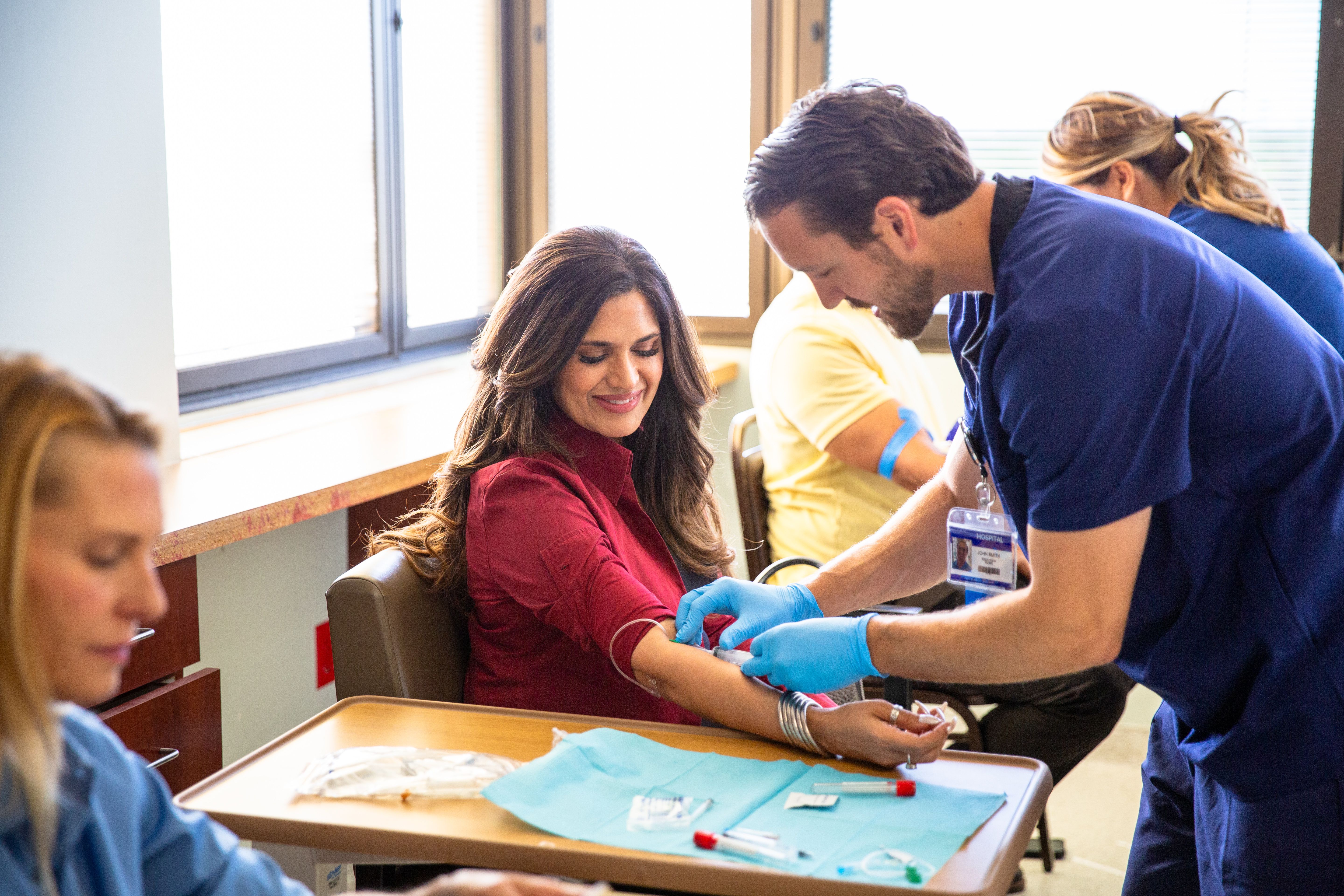
Integrating Technology in Medical Training
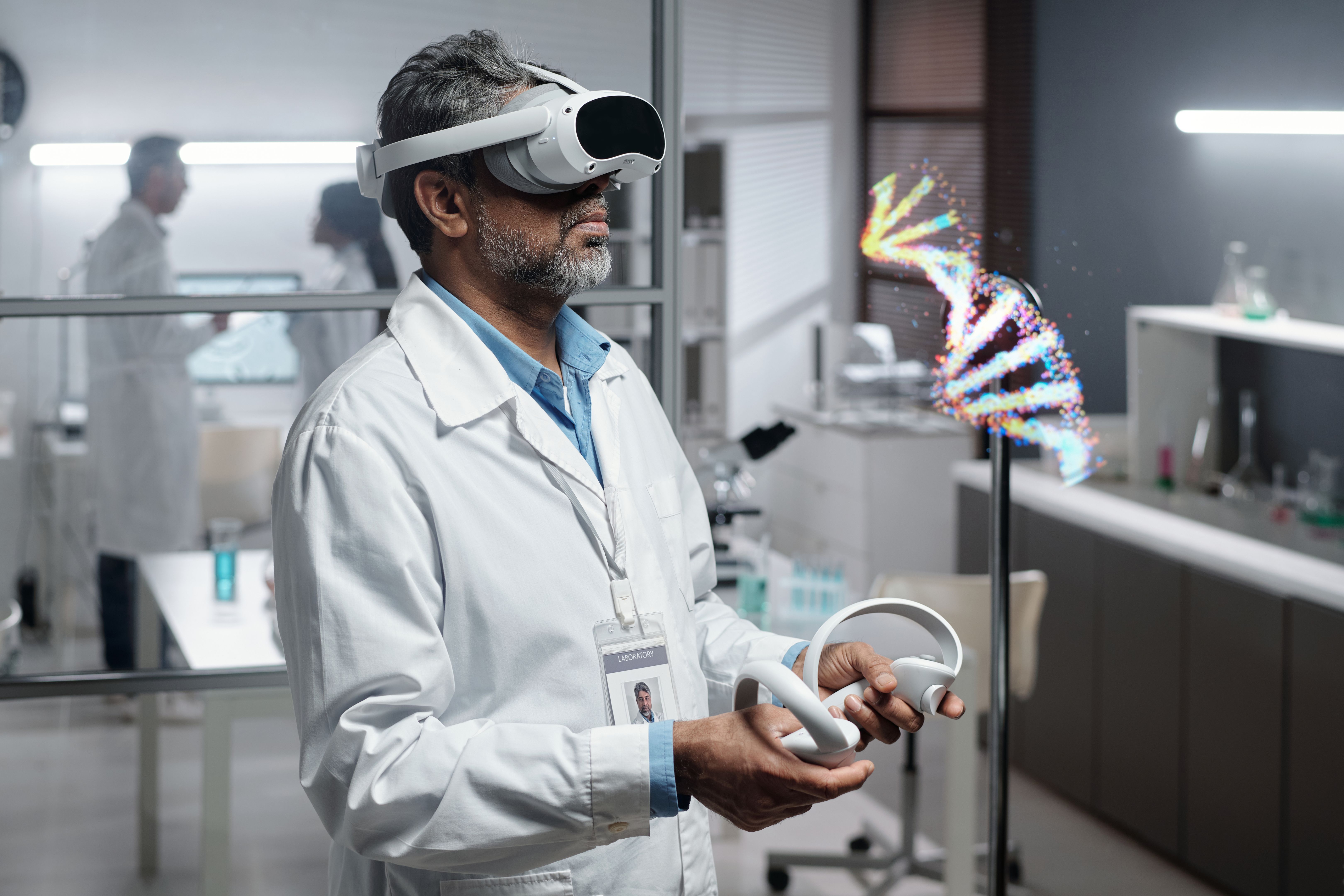
One of the most profound changes is the integration of technology in medical training. From virtual reality simulations to AI-driven diagnostic tools, technology is reshaping how students learn and practice medicine. This shift not only enhances the learning experience but also ensures that future doctors are well-versed in cutting-edge medical technologies.
Medical schools in Texas are leading the way in adopting these technologies. For instance, virtual reality allows students to practice complex surgeries in a risk-free environment, while AI tools help in understanding and diagnosing patient conditions with greater accuracy.
Emphasis on Interdisciplinary Collaboration
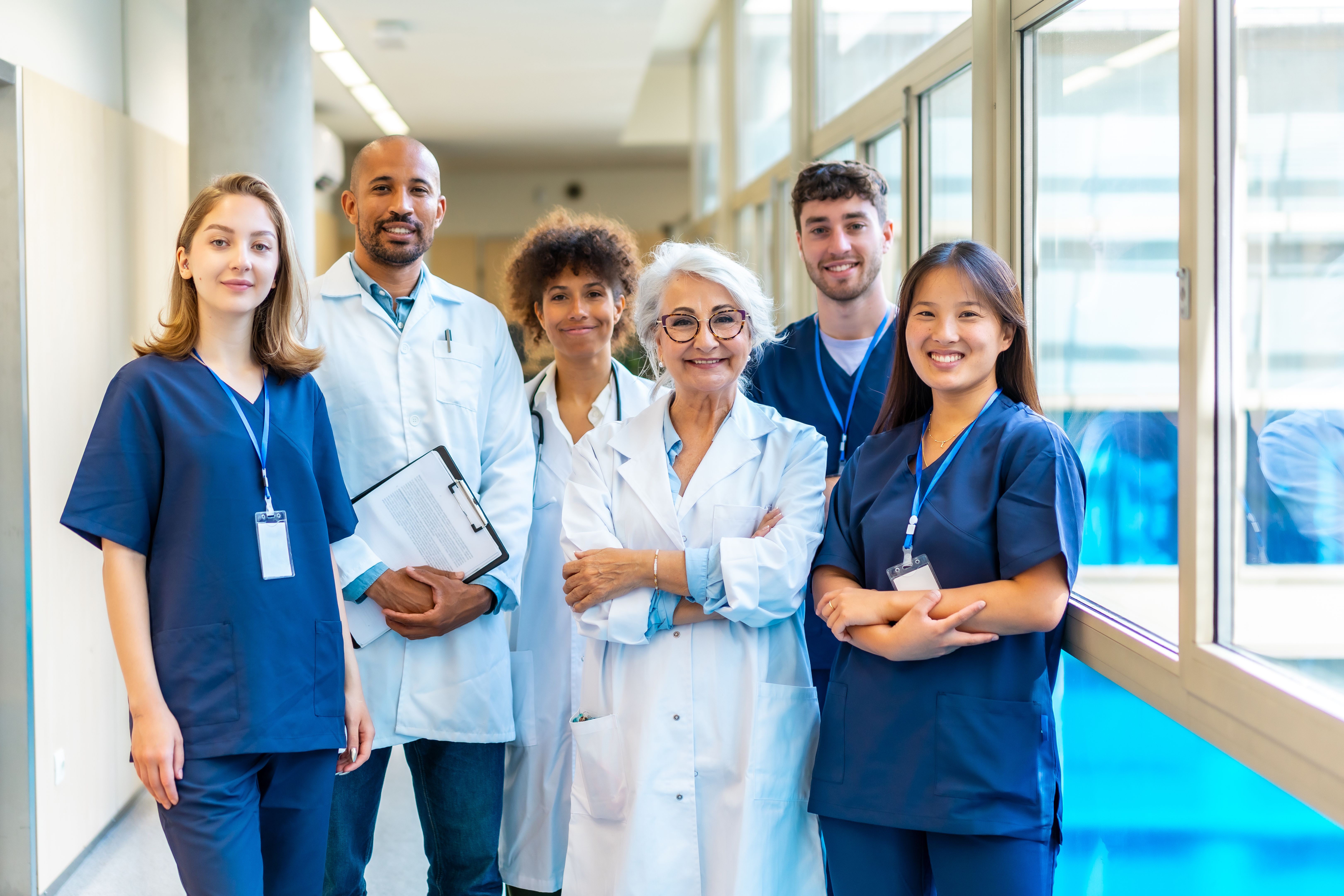
Another trend gaining momentum is the emphasis on interdisciplinary collaboration. As healthcare becomes more complex, the need for a collaborative approach to patient care is more important than ever. Medical education programs are increasingly fostering partnerships between different disciplines, such as nursing, pharmacy, and public health, to provide a well-rounded education.
By working together, students from various fields can learn to tackle healthcare challenges more effectively, leading to better patient outcomes. This holistic approach prepares students to thrive in diverse healthcare settings.
Focus on Community-Based Learning
Community-based learning is becoming a cornerstone of medical education in Texas. Many programs now incorporate service learning, where students engage directly with local communities. This hands-on experience not only enhances practical skills but also instills a sense of responsibility and empathy in future medical professionals.

Through these initiatives, students gain valuable insights into the social determinants of health and learn to provide care that is culturally sensitive and patient-centered.
Adapting to Changing Demographics
The diverse population of Texas presents unique challenges and opportunities for medical education. Programs are increasingly focusing on cultural competence, ensuring that graduates can effectively serve a wide range of patient populations.
This adaptability is crucial in addressing healthcare disparities and improving access to quality care for all Texans. By understanding and respecting cultural differences, future doctors can build stronger relationships with their patients, leading to better health outcomes.
Preparing for Global Health Challenges
As global health challenges become more prominent, Texas medical schools are incorporating global health education into their curricula. This prepares students to tackle worldwide health issues, such as pandemics and climate change-related health risks.
By understanding global health dynamics, students are better equipped to contribute to international efforts and bring innovative solutions to local challenges. This global perspective is essential in today’s interconnected world.
In conclusion, the future of medical education in Texas is bright and full of potential. By embracing technology, fostering collaboration, and adapting to demographic changes, Texas is preparing its medical students to lead in an ever-evolving healthcare landscape. These innovations ensure that the next generation of healthcare professionals is ready to meet the demands of tomorrow.